Contributed by Teresa Douglass, Genealogy Specialist
Has the recent snow and cold weather kept you stuck in the house for a few days? Well, things could be worse – you could be stuck on a tugboat in a frozen river. For a month!
This week, we take a look back at the harsh winter of 1940 as seen through the eyes of a tugboat pilot. The following are entries from a pilot’s log of the M. S. King’s Landing, a tugboat of the Kosmos Towing Co. of Kosmosdale, Kentucky. The log covers the boat’s travels from 1938 to 1943. The examples shown here are from January 1 through February 20, 1940, when thick ice and frigid temperatures left the King’s Landing immobile for nearly a month. The crew increasingly deals with snow and ice in early January as winter weather worsens. By January 18th, they are forced to tie up in Spotsville, Kentucky, along the Green River, which becomes solidly frozen. The King’s Landing is stuck in this situation until February 16th, and resumes work and travel on the Ohio on the 17th.
Summaries of the entries accompany the following images. Full transcripts are available for these and the entire five-year journal in the Pilot’s Log – King’s Landing collection.

January 1st – 5th: snow and ice begin to mount
1st – Heavy snow storm
2nd – Ice in the river
3rd – Fog, river about full of ice
4th – Ice is fairly heavy
5th – Ice getting heavier, river frozen solid.

January 5th– 16th: ice increasingly makes river travel difficult
5th – stalled in heavy ice, broke through, then stuck again
6th – still cold, making ice all the time, 12 below zero
7th – not as cold
8th – broke ice up above the dam, tried to run through-not much success
9th – still cold as everything.
10th – warmer
11th – warmer, able to break through the ice
12th – warmer, but ice isn’t leaving very fast
13th – colder, layed up all day
14th – layed up at Owensboro
15th – at Stanley, KY, 6:30 pm, heavy ice storm from Yankeetown, IN to the Green River
16th – traveled back and forth between the mouth of the Green River and Evansville, IN

January 16th – 31st: temperatures drop and ice builds making travel impossible
16th – Green River, ice is heavier. Froze about ½ inch previous night
17th – tied up, heavy ice in river and turning colder
18th – temperature is zero. Tied up at Spotsville, KY; turning colder
19th – continue to lay up at Spotsville; 10 below zero that morning
20th – 31st – Layed up at Spotsville

February 1st – 20th: remain stuck until mid-February
1st – Layed (sic) up at Spotsville; Green River has ice 8 inches thick. Frozen solid from bank to bank.
2nd – 6th – Continue to stay put at Spotsville
7th – ice in Green River is nearly gone. River raised 2 feet during the night.
8th – all ice gone in Green River
9th – 13th – continue to stay put at Spotsville, waiting for ice in Ohio River to thaw enough for travel
13th – ice breaking up in the Ohio River
14th -15th – stay put at Spotsville
16th – travel from Spotsville to the mouth of the Green River. Ohio River still about ½ full of heavy ice
17th – ice nearly all gone by morning. Left mouth of Green River at 6:00 am and resumed travel and work on the Ohio.
18th – 20th – some ice and fog, but otherwise able to continue with normal workload

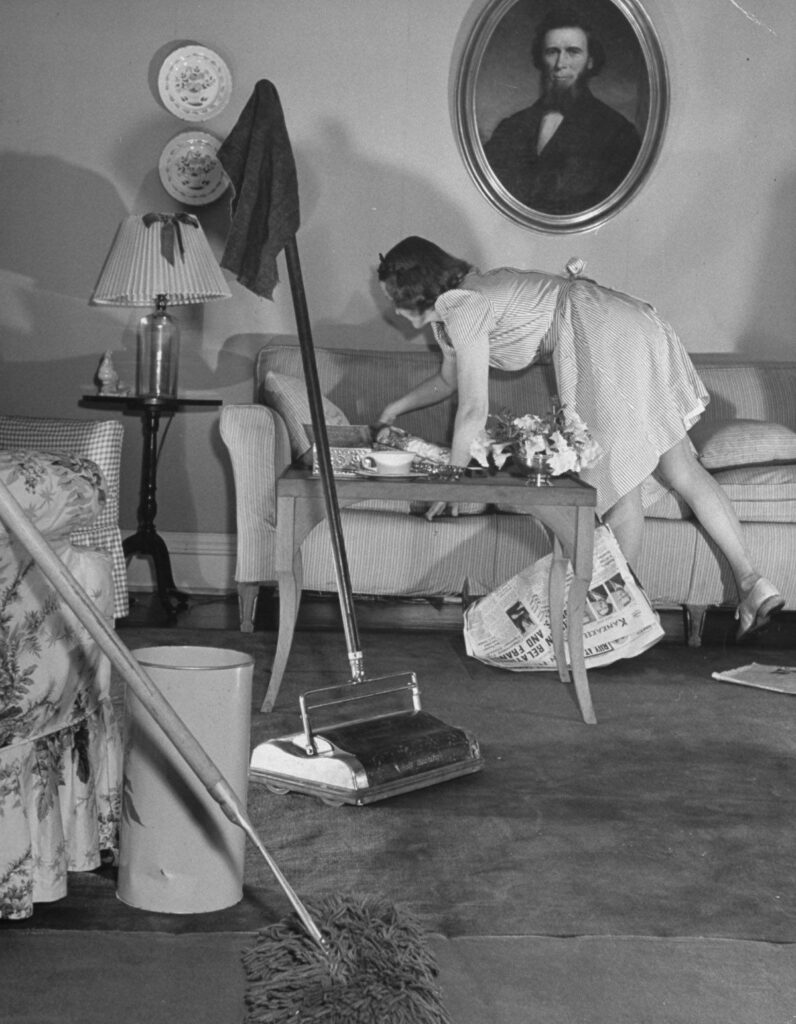
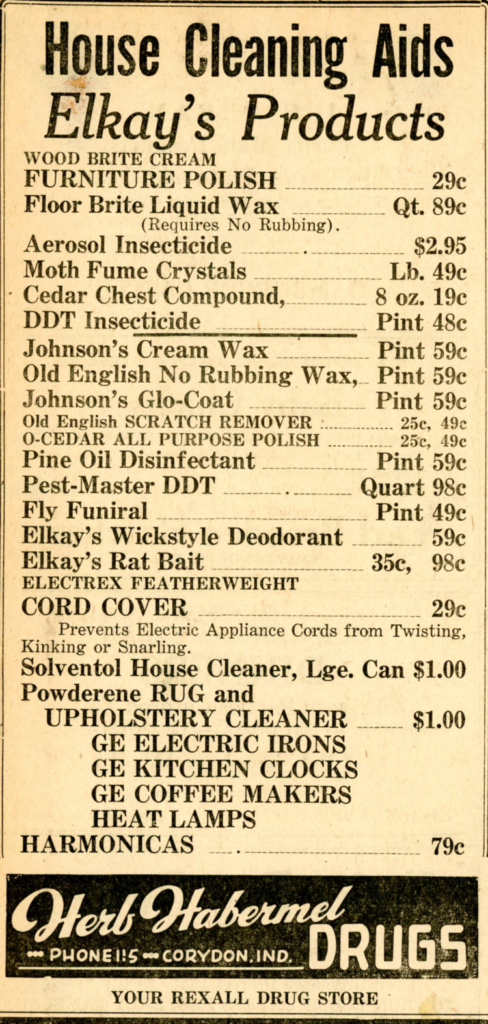 Pharmacist Herb Habermel (1904-1955) and his wife, Francis, opened a drugstore at 117 E. Chestnut Street in Corydon in August 1945 (this property was most recently occupied by Beckort Auctions, and is soon to be Williams Bakery). The store featured a wide variety of items, ranging from toiletries, cosmetics, and medicinal products to jewelry, clocks, toys, and household appliances. In addition, Habermel’s also sold medications for livestock, offered a laundry service, had a large soda fountain, and doubled as a Greyhound Bus station.
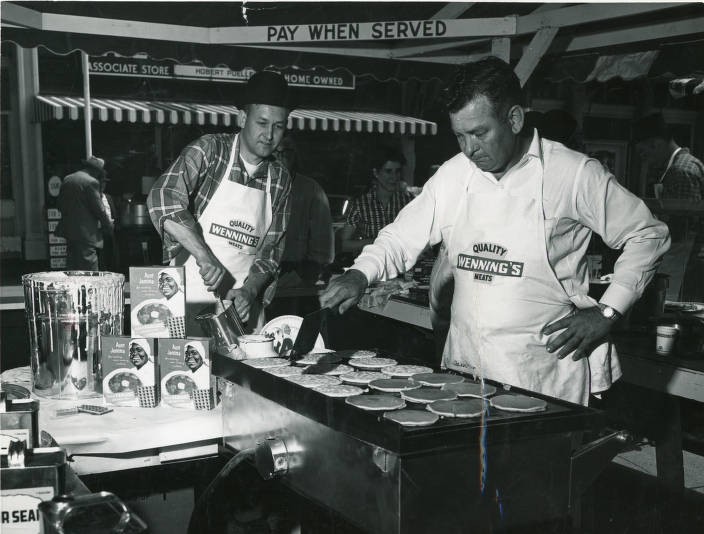 One of the most popular events at the festival was a large pancake breakfast, which was always well-attended despite its early start. Above, Marvin Alstott (left) and Charles Miller (right) prepare cakes for the crowd in 1959. See the
 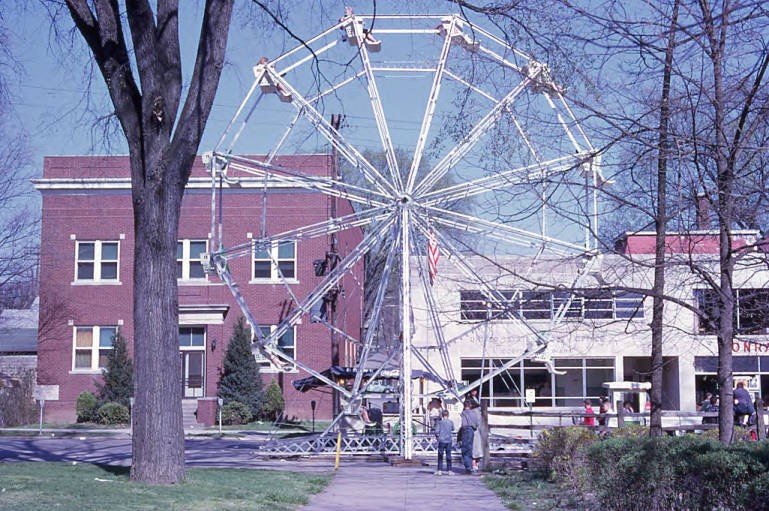 A large Ferris wheel operated on Elm Street near the Masonic Lodge and Corydon Post Office in 1962.
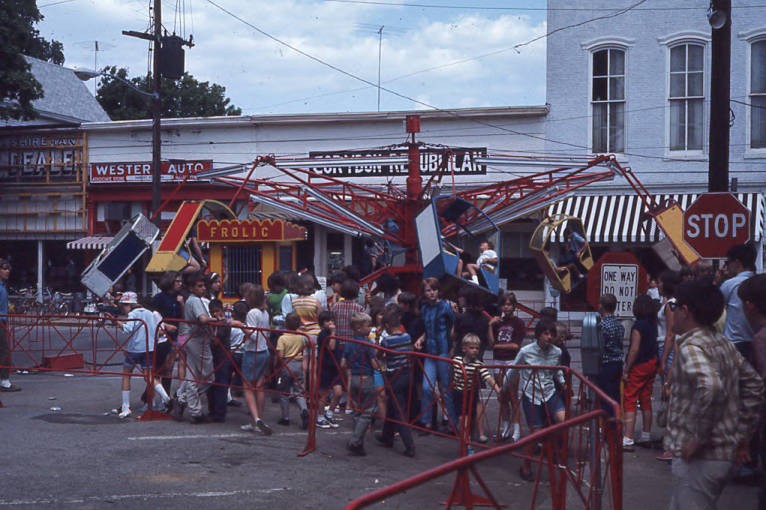 Festival goers and rides on West Beaver and Elm Streets, 1968.
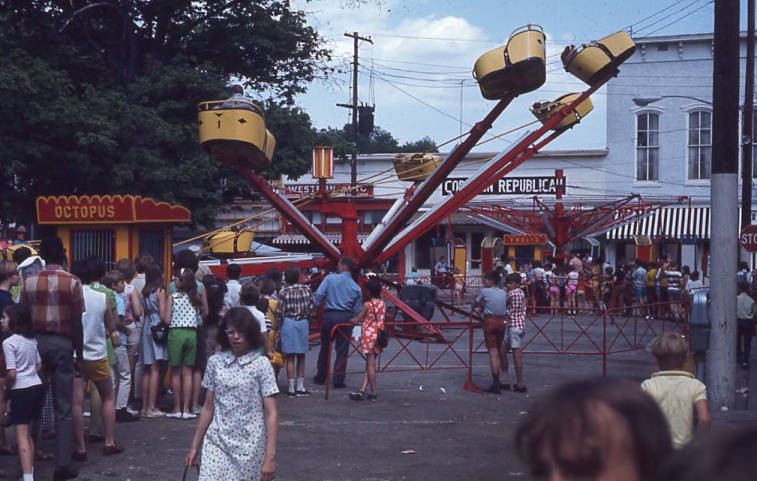 See more Pancake Festival images in the
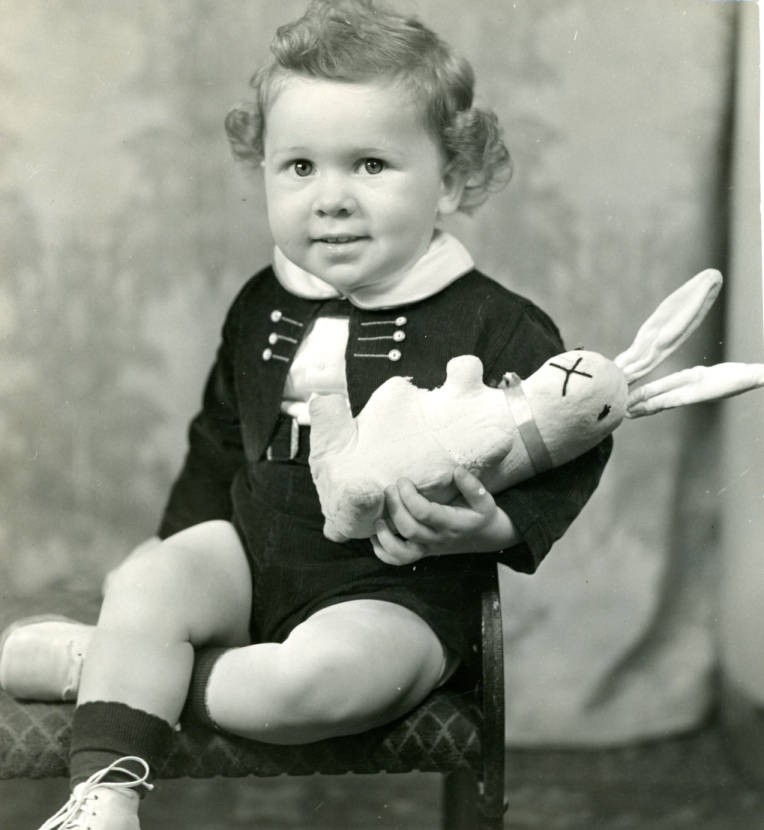
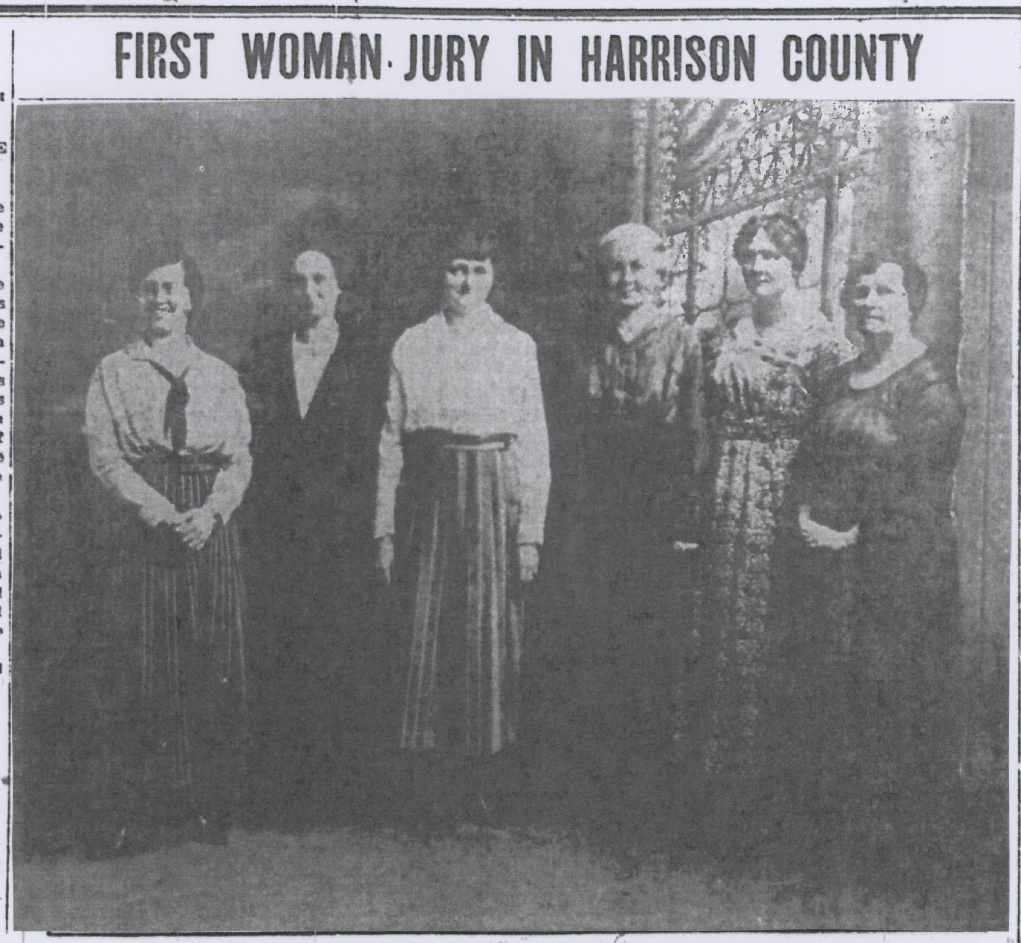
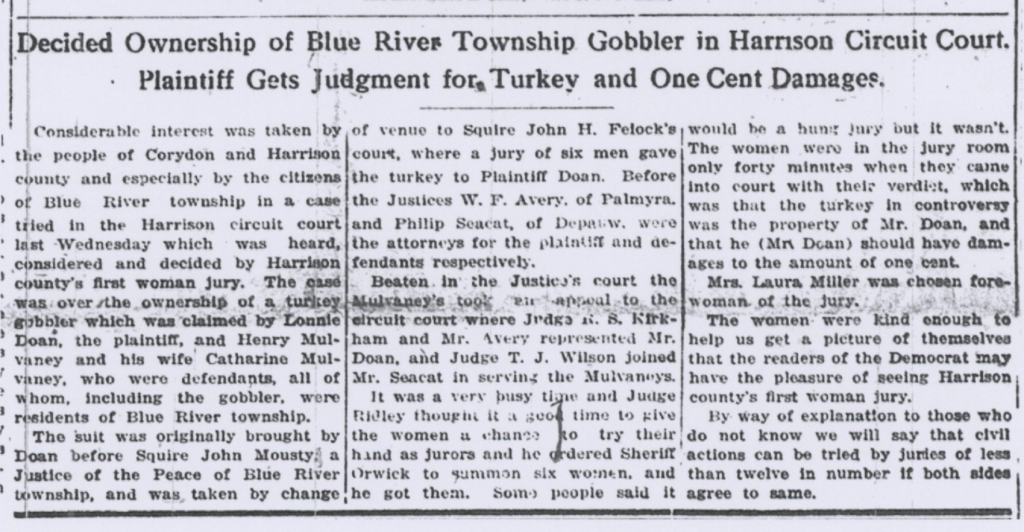 Women are well represented in many of the collections featured in the
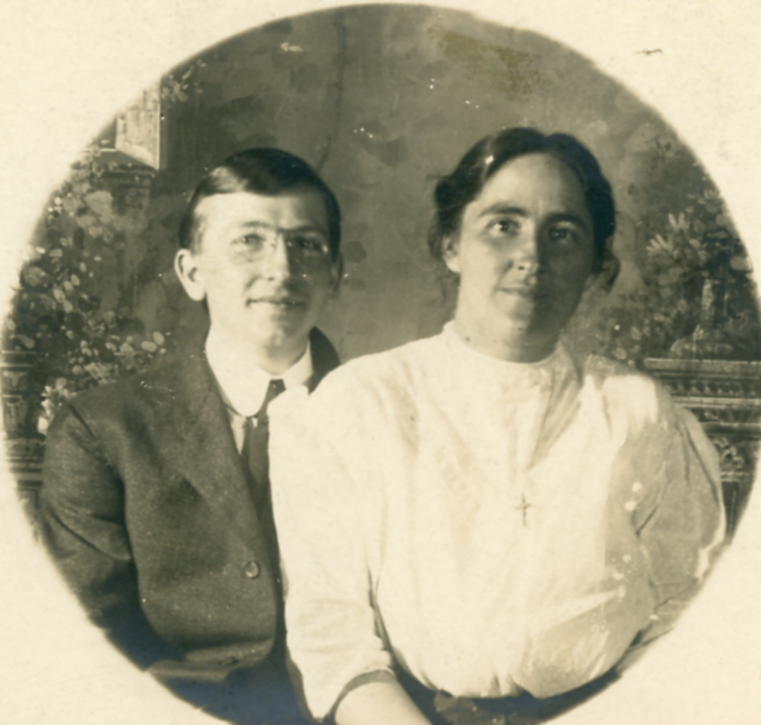
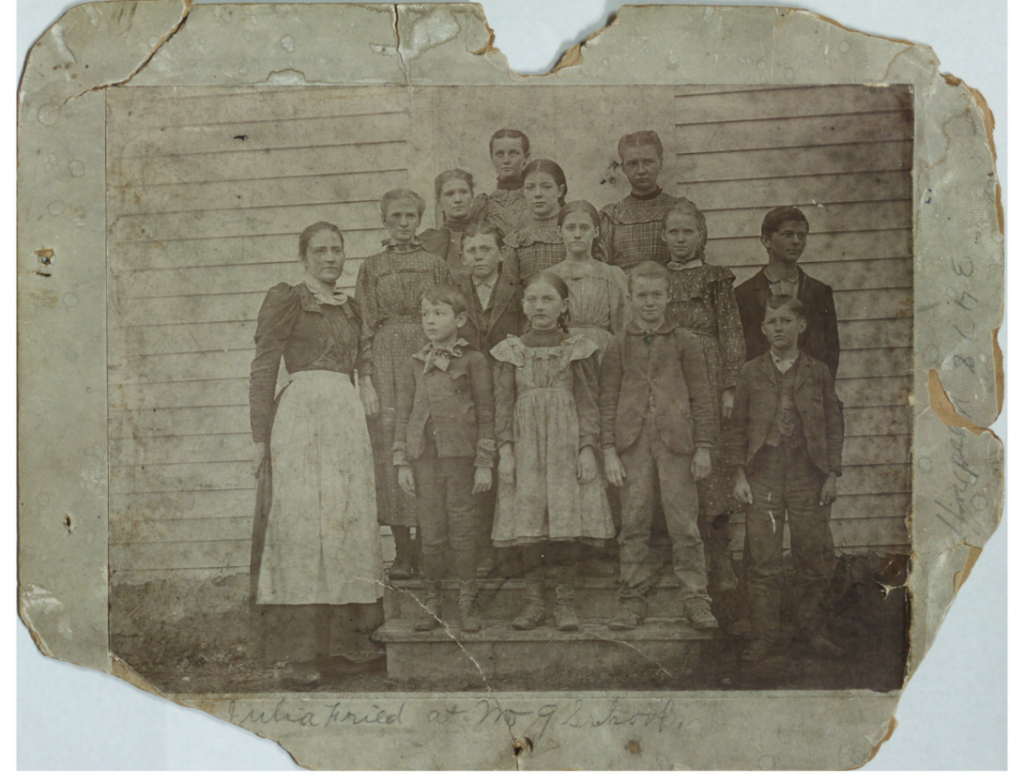 Julia Fried, ca. 1905, and with her students at Harrison Township School No. 9, Pitmans-Bickels School, ca. 1896. (The school was located southwest of Corydon near Indian Creek and Heidelburg Road.)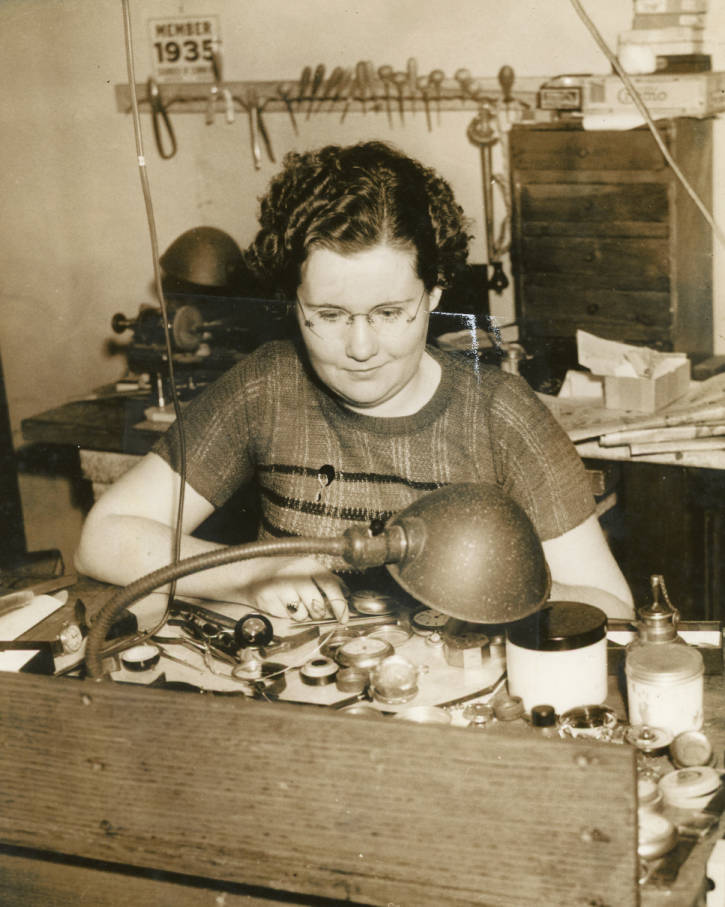
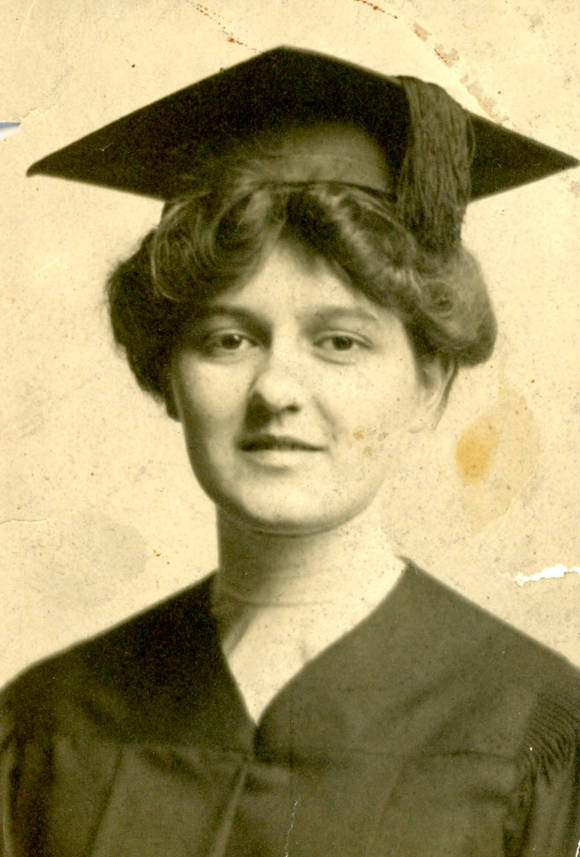
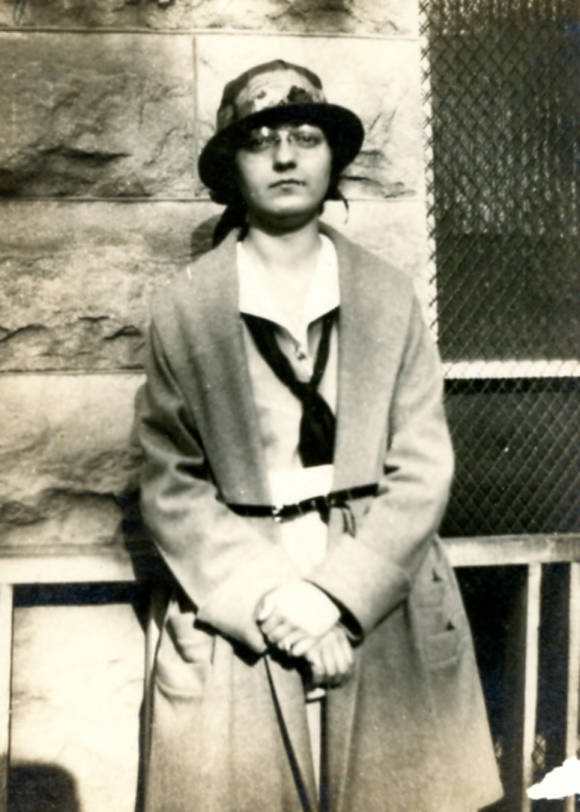
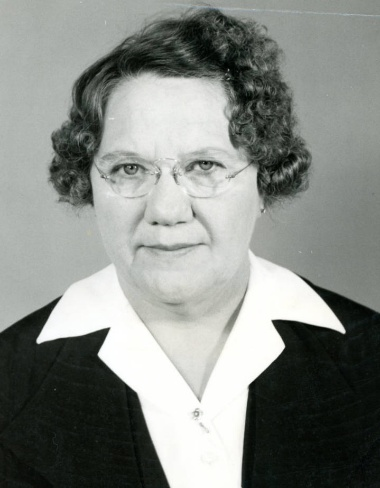 Rev. Emma F. Hussung
 Annie Belle Lewis (ca. 1873-1941).


 The Corydon Democrat


 This March 15, 1939, article from The Corydon Democrat announces a program sponsored by St. Paul’s in order to raise funds for needed repairs to the church.